Welcome to WordPress! This is your first post. Edit or delete it to take the first step in your blogging journey.
recent posts
about
-
When most people think of literacy, they imagine reading books or writing essays, But literacy goes far beyond the pages of a book or an assignment that your teacher gave you. In many communities, communication happens without speaking at all. One community that this is very true for is mascots.
We have all been to a game or seen one on tv and the one thing that sticks in your mind no matter who’s team is losing or not is the mascot. Mascots play a vital role in sports and school culture, yet they are often misunderstood. They don’t speak, they don’t write during games, and they remain anonymous, yet they are constantly communicating and we don’t even know it. This blog explores the literacy practice of mascots and their use and importance in sports.
To better understand this community I interviewed Akeela Shavers, a mascot at the University of Central Arkansas, about how mascots are on and off the field.
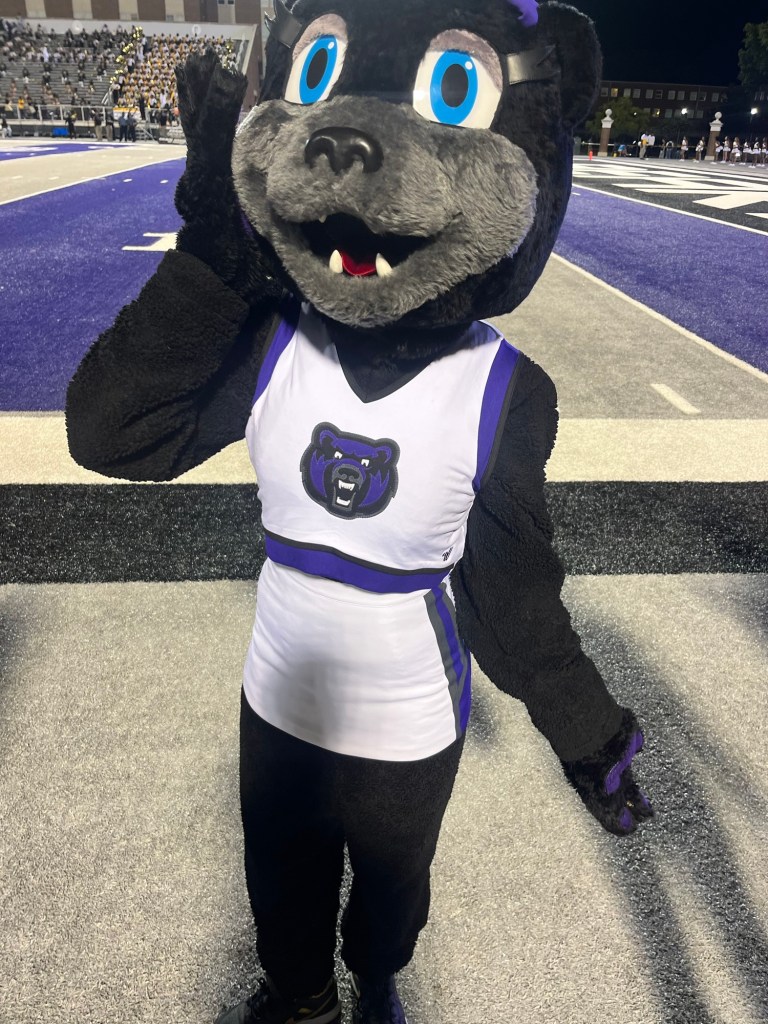
The Goal of Being a Mascot
According to Akeela, the Main goal of being a mascot is simple.
“The goal of being a mascot is to entertain the crowd.”
This may sound pretty straightforward, but entertaining thousands of people without speaking requires a specific set of communication skills that come naturally to some people. Mascots must be able to read the crowd, respond quickly, and adjust their actions based on audience reactions all in real time. A mascots performance is like improvisation in a way, they are the actor and the field is their stage.
Writing and communication are acts of interpretation and response. This means that communicators have to first read a situation, its audience, context, and expectations before deciding how to respond .effectively. This shows us that communication is never one dimensional it is formed by the feedback from the communicator and the audience.
Mascots demonstrate this perfectly. Although they don’t use spoken or written language in their performances mascots are constantly interpreting their surrounding’s. According to Akeela the primary goal of being a mascot is to “entertain the crowd” in order to do this successfully, mascots must constantly read the tone of the audience. Are the fans excited? Are the fans getting bored? Are they frustrated? these are situations that mascots ask themselves and they have to read the crowd to know how to adjust. For example, if the crowd is quiet, a mascot might exaggerate movements or start interactions to raise the energy. If fans are already excited, the mascot may mirror that excitement through dances and gestures. These choices are not random, they are intentional responses to interpreted cues such as crowd noise, facial expressions, body language, and the pace of the game.
Communicating without words
Since most mascots are not allowed to speak while in costume, nonverbal communication becomes their primary literacy practice.
I asked Akeela What is the most common way of communicating since they cant speak she said “Since being a mascot means no speaking, a lot of the time we resort to being really expressive with our hands and bodies. We also have code and signs just in case of emergencies”. This statement shows that they don’t just gesture randomly, instead they use an already established communication practices to talk without actually having too use their words or write anything. These practices include body language, hand gestures, exaggerated and spontaneous movements. Sometimes it also includes coded signals and sign language. There are many ways to communicate as a mascot without having to say a word.
Skills needed
Before becoming a mascot , certain skills are essential. According to Akeela being able to bring character to life is a major skill to have in this line of work.
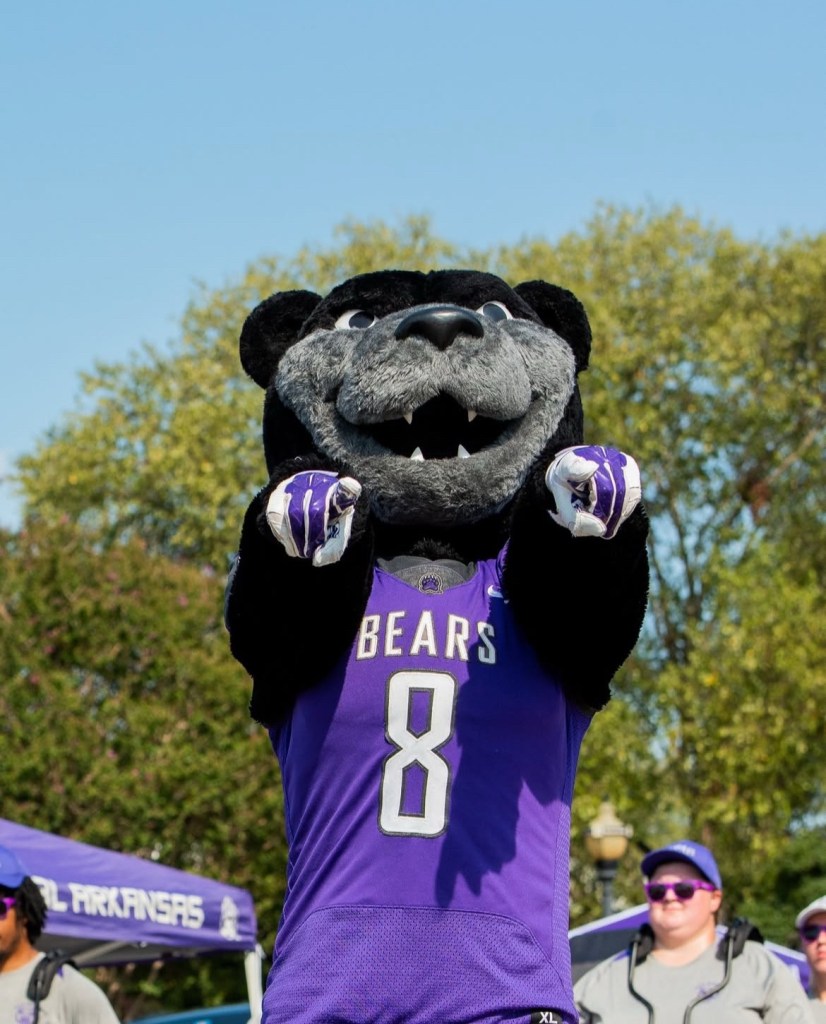
Because mascots can’t speak or show facial expressions, they have to communicate entirely through physical movement. To be understood by big crowds, mascots exaggerate emotions and actions so the meaning is clear to the audience from a distance. Excitement is shown through fast gestures and quick movements, while sad or calm moments are expressed through slower pacing and intentional posture. These choices makes sure that communication remains visible and effective in a crowded and noisy environment.
Like Akeela said, being a mascot requires learning to remain silent and rely entirely on bodily expression. This shift can be challenging, especially for individuals accustomed to explaining themselves through talking. Over time, mascots develop confidence in their movements and learn how posture, timing, and gesture influence the audience. Small changes in movement speed or positioning can significantly affect how an action is understood and that is something that mascots grow to realize.
Sign Language and non verbal literacy
When asked about the most important non verbal communication tools Akeela emphasized “sign language”
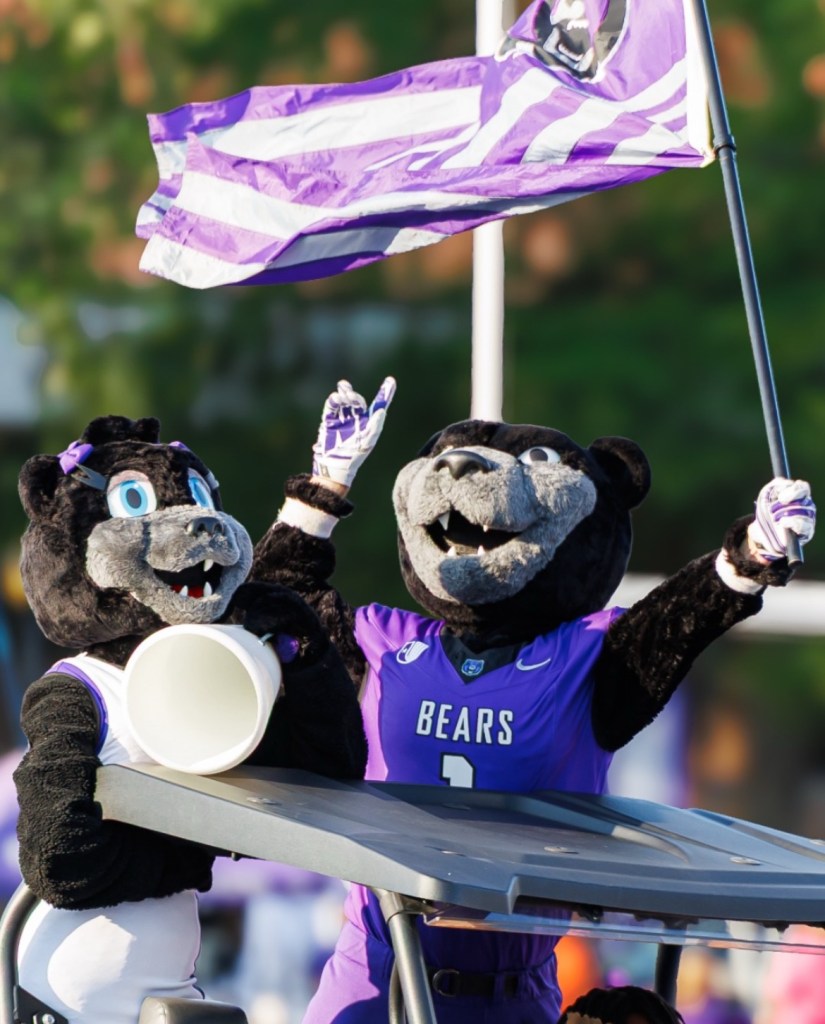
Sign language plays a big role in how mascots communicate behind the scenes while remaining fully in character. Because mascots cannot speak, sign language allows them to relay important information to staff, teammates, and other mascots without breaking the performance. This communication may include signaling for water, indicating a costume problem, alerting others to overheating, or responding to directions from event staff. In fast-paced environments like football or basketball games, these silent signals allow mascots to communicate quickly and efficiently while maintaining the performance for the audience.
Beyond individual messages, sign language also functions as an organizational system. Mascots usually work as part of a team, and gestures help them move safely through crowds, manage timing during performances, or respond to unexpected situations. These signals helps bring down confusion and helps ensure that performances run smoothly, even in loud or chaotic settings where spoken or written communication wouldn’t work.
Emotional impact and Audience awareness
When asking Akeela If she felt like her role was important to the overall enjoyment of the game, she said “Yes interacting with fans can make a lot of peoples day and you never know what a person might be going through.” This highlights how mascots have to be aware of their audience at all times. Every interaction carries emotional weight, even when it appears simple. A wave, hug, or a high five, can be interpreted differently depending on the fan’s age, mood, background, or circumstances. For some fans, especially children, a small interaction with a mascot can feel exciting or life changing. For others, particularly adults or individuals having a difficult day, that same interaction can provide comfort, distraction, or a moment of relief. Because mascots never know what a fan may be experiencing, they must approach each interaction with care and sensitivity.
Effective mascot communication therefore relies heavily on empathy. Mascots must read body language, facial expressions, and reactions to decide how to engage.
Interview Transcript/work cited
Josh: What is the goal of being a Mascot?
Akeela (uca mascot): The goal of being a mascot is to entertain the crowd.
Josh: Since most Mascots don’t speak, what is the most common way you communicate on the job?
Akeela (uca mascot):Since being a mascot means no speaking, a lot of the time we resort to being really expressive with our hands and bodies. We also have code and signs just incase of emergencies.
Josh:What are some skills you need to have before going into this line of work?
Akeela (uca mascot): Being able to bring a character to life is a major skill.
Josh: What are some skills and things you have learned while being a mascot?
Akeela (uca mascot): Mostly being quiet and the ability to rely on strictly bodily functions.
Josh: What nonverbal forms of communication do you rely on most?
Akeela (uca mascot): Sign language
Josh: Do you feel like your role is important to the enjoyment of the game?
Akeela (uca mascot): Yes interacting with fans can make a lot of peoples day and you never know what a person might be going through.
Josh: Do you help manage or contribute to your mascot’s social media presence?
Akeela (uca mascot): Being the mascot you have free range as long as you’re not doing nothing off the chain or genuinely dangerous, but that’s the only thing you would contribute towards social media presence.
Josh: How do you prepare and rehearse routines? Do you write a script?
Akeela (uca mascot): with being a mascot there are no rules or routines to being one, just having fun.
-Writing about writing by Elizabeth Wardle and Douglas P Downs
 Site Title